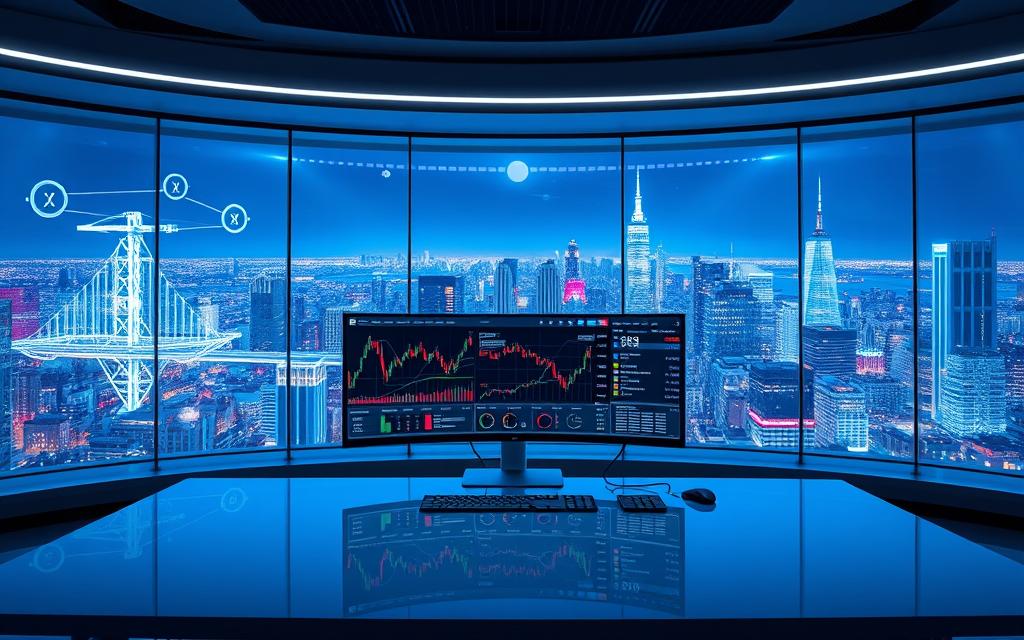
AI Crypto Signals Explained: Smarter Trading or Just Hype?
The cryptocurrency market moves at breakneck speed, demanding split-second decisions amidst relentless volatility. Traditional strategies often struggle here, where prices swing wildly and markets never close. This environment has fuelled demand for tools that process complex data faster than humanly possible.
Enter algorithmic trading systems powered by advanced technology. These platforms analyse billions of data points – from price trends to social sentiment – generating real-time insights for traders. The promise? To transform how investors navigate digital asset markets, combining machine learning with financial expertise.
But scepticism persists. Are these systems genuine innovations or clever marketing ploys? Proponents argue they democratise access to institutional-grade analysis, while critics question their reliability during extreme market shifts. The truth likely lies in how traders utilise these tools alongside human judgement.
This examination cuts through the noise, assessing whether modern trading solutions deliver tangible advantages. We’ll explore their capacity to interpret chaotic market patterns and whether they represent evolution or exaggeration in financial technology.
For a stronger overview, it also helps to compare this with best ai crypto to buy before making any trading or investment decision.
That broader market context also points naturally to ai-powered crypto price prediction, especially when comparing AI-driven tokens, trading tools, and hype cycles.
What are AI Crypto Signals?
Modern trading tools now offer recommendations that analyse markets faster than manual methods. These systems crunch numbers from price histories to real-time exchanges, spotting opportunities humans might miss. Let’s unpack how they work.
Breaking Down Data-Driven Trade Suggestions
Algorithm-driven trade suggestions combine historic patterns with live market shifts. Unlike basic indicators, they process thousands of variables – from Bitcoin’s volatility to Ethereum’s trading volumes – in milliseconds. This allows identification of trends that disappear before manual analysis begins.
Related Posts:


How Automated Systems Learn Market Patterns
Machine learning models train on years of market data, refining their predictions with each trade outcome. They adapt to new variables like regulatory changes or platform updates, becoming sharper over time. Crucially, they weigh multiple factors simultaneously – a task impossible at human speed.
| Feature | Traditional Tools | Algorithm Systems |
|---|---|---|
| Data Sources | Price & volume | Social sentiment, cross-exchange flows |
| Speed | Minutes/hours | Milliseconds |
| Complexity Handling | Single-market focus | Multi-asset analysis |
These systems don’t just react – they predict. By linking real-time news to price movements, they forecast shifts before traditional charts show trends. For traders, this means decisions backed by deeper, faster maths.
How AI Crypto Signals Enhance Your Trading Strategy
Trading in volatile markets demands precision tools for consistent results. Data-driven trade suggestions now empower investors to act faster than traditional methods, blending historical patterns with real-time analysis. These systems process exchange rates, investor sentiment, and global market shifts simultaneously – transforming how strategies are built.
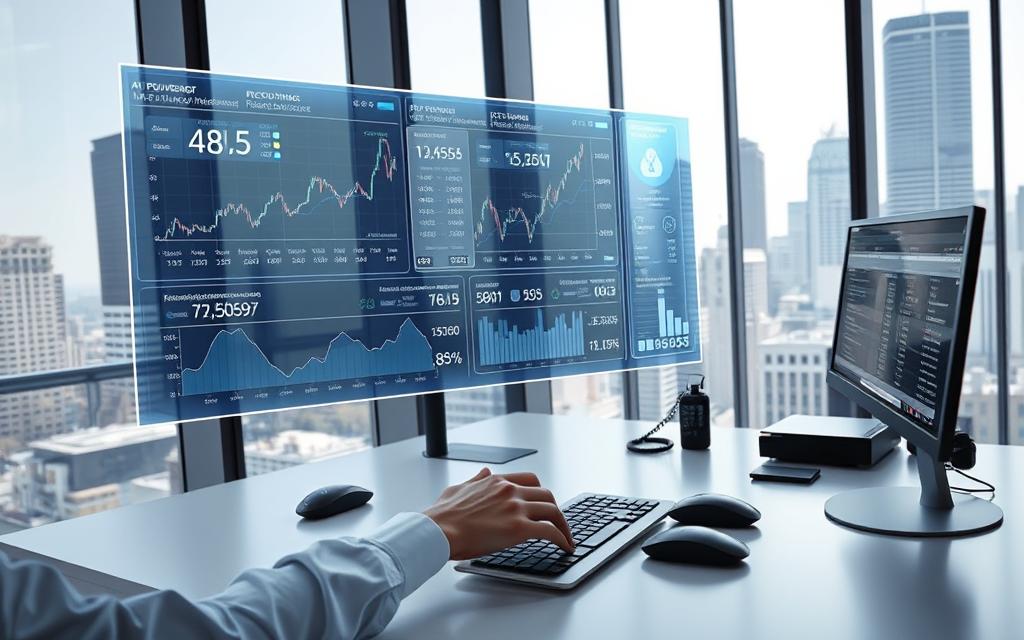
Leveraging Data for Informed Decisions
Sophisticated algorithms evaluate thousands of variables – from Bitcoin’s volatility to cross-platform liquidity flows. This allows traders to pinpoint entry points with surgical precision, often identifying trends that vanish before manual analysis begins.
Consider these comparisons:
| Factor | Traditional Strategy | Data-Enhanced Approach |
|---|---|---|
| Decision Speed | Manual calculations | Instant pattern recognition |
| Data Sources | Price history & volume | Global liquidity flows, social sentiment |
| Risk Assessment4d> |
Automated systems let traders set parameters like profit thresholds or risk tolerance. Bots then execute trades when conditions align with these criteria, enabling passive income streams without constant monitoring.
Crucially, these tools don’t replace human judgement. They augment it – providing granular market insights while preserving flexibility for personal strategy adjustments. The result? Decisions rooted in maths, not just gut feelings.
Key Benefits of ai crypto signal for Smarter Trading
Digital asset markets never sleep, creating both openings and pitfalls for investors. Advanced trading systems now bridge this gap, offering tools that transform how opportunities are spotted and managed. Licensed platforms like AlgosOne showcase how technology reshapes strategies, boasting an 80% annual success rate through data-driven precision.
Instant Market Responses
These systems deliver real-time signals by scanning live prices, social sentiment, and cross-exchange flows. Traders receive alerts milliseconds after shifts occur – crucial for capitalising on fleeting market opportunities. One regulated platform analyses 45+ data types simultaneously, flagging trends before traditional charts reflect movement.
Hands-Free Trade Handling
Fully automated execution eliminates human lag. Pre-set parameters trigger instant trades directly through exchange APIs, executing positions faster than manual input. This efficiency reclaims hours daily for strategy refinement rather than order-book monitoring.
Rational Risk Protocols
Emotion-free algorithms excel at minimising risks through mathematical thresholds. Systems automatically adjust leverage ratios and trigger stop-loss orders based on volatility spikes – impossible at human reaction speeds. Consider how manual versus automated approaches differ:
| Factor | Manual Trading | Automated Systems |
|---|---|---|
| Risk Assessment | Gut-feel estimates | Real-time volatility scoring |
| Execution Speed | 2-60 seconds | <500 milliseconds |
| Data processed per trade | 5-10 metrics | 200+ variables |
These tools don’t guarantee profits but provide institutional-grade safeguards. For time-starved traders, they’re game-changers – turning endless data streams into executable edge.
Integrating AI into Your Crypto Trading Platform
Modern trading systems now prioritise seamless integration with existing tools. Savvy investors demand platforms that combine robust analytics with intuitive design, allowing them to execute strategies without technical headaches. Let’s explore what separates effective systems from flashy gimmicks.
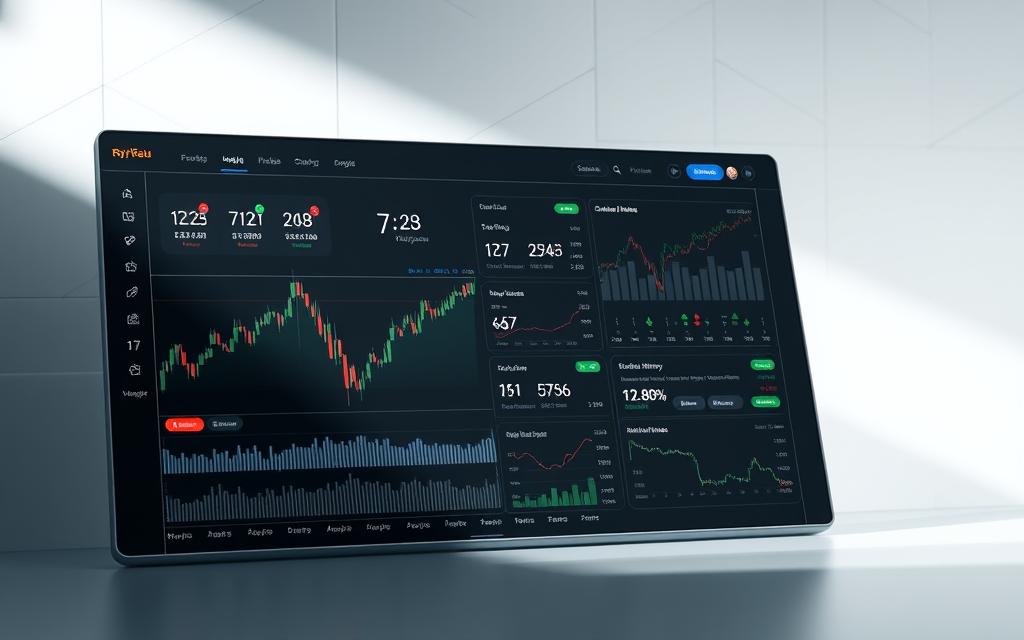
Essential Features for Modern Traders
Top-tier platforms offer multi-exchange connectivity, letting users manage portfolios across Coinbase, Binance and Kraken through one interface. Real-time alerts and customisable dashboards help traders track positions while automated tools handle repetitive tasks. Peter Fischer, an active user, notes:
“The system’s transparency surprised me. I can adjust strategies in minutes, not hours.”
Customer support quality often determines long-term success. Michael Osbourne highlights rapid assistance:
“Technical queries get resolved before markets shift – crucial when every second counts.”
Platforms providing 24/7 live chat and educational webinars see higher user retention, especially among newcomers.
Simplifying Complexity for All Skill Levels
Beginner-friendly interfaces with drag-and-drop strategy builders attract casual investors. Ivan Bakanovskiy explains:
“I needed zero coding knowledge to automate my portfolio. The preset risk parameters stopped costly mistakes.”
Meanwhile, professionals value API access and backtesting tools for refining advanced tactics.
Successful integration hinges on balancing power with simplicity. As Charles Allen observes:
“Fantastic work – it handles complex analysis without overwhelming users.”
The best platforms evolve alongside traders, offering scalable solutions that grow with their expertise.
Real-Time Data and Market Analysis in Crypto Trading
Modern trading thrives on interpreting chaotic data streams. Sophisticated systems now process social chatter, economic reports, and historical patterns simultaneously – transforming noise into actionable insights. This approach deciphers market trends that human analysts might overlook during volatile periods.
Understanding Market Trends
Algorithms scan platforms like Twitter and Reddit, gauging investor sentiment shifts before they impact price movements. They cross-reference this with exchange liquidity data and macroeconomic indicators. One regulated platform tracks 120+ variables per asset, updating predictions every 47 milliseconds.
Consider how traditional versus algorithmic methods compare:
| Factor | Manual Analysis | Algorithmic Processing |
|---|---|---|
| Data Sources | 3-5 primary metrics | Social sentiment + 40+ metrics |
| Update Frequency | Hourly/daily | Real-time (500ms intervals) |
| Pattern Recognition | Basic trend lines | Micro-market anomalies |
Advanced Algorithmic Analysis
Machine learning models improve through continuous exposure to market moves. They adapt to new regulations or platform changes, refining their predictive accuracy. As noted in recent financial technology studies, these systems can forecast shifts 8-12 hours faster than conventional technical analysis.
The best platforms monitor multiple cryptocurrency markets simultaneously. They flag correlations between Bitcoin’s volatility and emerging altcoin trends, providing traders with multi-asset perspectives. This scalability ensures consistent precision across thousands of trading pairs.
Ultimately, success hinges on blending computational power with human oversight. While algorithms process data at inhuman speeds, seasoned traders still set risk parameters and validate critical signals.
Conclusion
Navigating digital asset markets requires tools that blend human insight with machine efficiency. The best crypto platforms leverage algorithmic precision to spot trends across global exchanges, processing thousands of variables in milliseconds. This transforms how traders execute strategies – catching emerging opportunities before manual analysis begins.
Automated systems excel at generating passive income streams, executing trades through pre-set parameters without constant oversight. Features like real-time alerts and AI-curated indices identify breakout cryptocurrencies days before mainstream attention hits. Platforms offering 24/7 monitoring ensure no profitable trade slips through during off-hours.
Sophisticated risk protocols provide mathematical safeguards against volatility spikes. By eliminating emotional decisions, these systems maintain discipline during turbulent markets – a critical edge in fast-moving conditions.
From casual investors to seasoned professionals, modern tools democratise access to institutional-grade strategies. Whether refining portfolio management or seeking advanced buy sell signals, traders now operate with unprecedented agility. The result? Smarter decisions backed by relentless data-crunching, not just gut instinct.
FAQ
How do AI-driven tools improve trading strategies?
These tools analyse vast datasets, including historical patterns and market trends, to generate actionable insights. By leveraging machine learning, they identify opportunities and risks, enabling traders to adjust portfolios and execute strategies with precision.
Can automated systems execute trades without manual input?
Yes. Platforms such as Binance and Kraken integrate automated execution features, allowing predefined parameters to trigger trades instantly. This minimises delays and emotional decision-making, ensuring timely responses to market movements.
What role does machine learning play in managing trading risks?
Machine learning algorithms assess volatility, liquidity, and price fluctuations to forecast potential downturns. Tools like Coinbase Advanced Trade use these insights to recommend stop-loss limits or portfolio diversification, reducing exposure to sudden market shifts.
How do real-time insights benefit cryptocurrency traders?
Real-time data feeds highlight emerging trends, liquidity changes, and price anomalies across exchanges like Bybit or OKX. Traders use this information to capitalise on short-term opportunities or exit positions before downturns, optimising returns.
Are algorithmic analyses reliable for volatile markets?
Advanced algorithms process live data from sources such as CoinGecko or TradingView, identifying patterns humans might miss. While no tool guarantees success, combining algorithmic signals with market knowledge enhances decision-making in fast-moving cryptocurrency markets.
What features should traders look for in a platform?
Prioritise platforms with robust API integrations, such as eToro or Bitget, which support automated strategies and real-time alerts. Reliable customer support, transparent fee structures, and compatibility with multiple exchanges are also critical for seamless operations.