
AI-Powered Crypto Price Prediction: Can Machines Beat the Market?
The financial landscape is undergoing a radical transformation, with algorithmic tools reshaping how investors approach volatile markets. At the forefront of this shift are machine learning platforms that analyse historical trends, market momentum, and real-time data streams. These systems process information at speeds – and scales – far beyond human capability.
Leading services like SwissBorg now offer hourly updates through automated forecasting models. This gives traders access to institutional-grade insights previously reserved for hedge funds. Whether planning decade-long strategies or intraday positions, users gain actionable intelligence tailored to their risk tolerance.
What makes these platforms revolutionary isn’t just their computational power. They identify patterns in social sentiment, liquidity flows, and macroeconomic indicators that traditional analysis often misses. By synthesising disparate data points, they generate probabilistic forecasts rather than simplistic price targets.
The democratisation of such technology raises compelling questions. Can algorithmic precision outpace market randomness? And crucially – does this represent evolution or overreliance in speculative markets? As we explore, the answers might redefine modern investing.
For a stronger overview, it also helps to compare this with best ai crypto to buy before making any trading or investment decision.
Understanding the Role of AI in Crypto Markets
Modern trading environments have witnessed a paradigm shift, driven by computational systems capable of interpreting complex financial patterns. These tools now power decision-making processes once dominated by manual evaluation, offering unprecedented precision in volatile sectors.
From Basic Systems to Sophisticated Algorithms
Early financial software relied on rigid rules for interpreting charts and indicators. Today’s machine learning frameworks, such as the CyBorg Predictor, process decades of historical figures alongside real-time metrics. They cross-reference trading volumes, social sentiment shifts, and macroeconomic events to detect subtle correlations invisible to traditional methods.
Advantages for Modern Investors
Round-the-clock monitoring ensures no market movement goes unnoticed, while algorithmic objectivity removes emotional decision-making. Platforms like those discussed in advanced market analysis tools standardise risk assessment across time horizons – from 60-second fluctuations to multi-year projections.
Related Posts:



Perhaps most significantly, these innovations democratise access to institutional-grade strategies. Retail traders now utilise systems that hedge funds guarded closely just five years ago. This technological leap provides individual investors with clearer insights into market dynamics, levelling the playing field in speculative environments.
Leveraging crypto price prediction ai for Superior Market Analysis
Modern trading strategies increasingly rely on data-driven approaches to navigate complex markets. Sophisticated systems process millions of data points, transforming raw figures into actionable insights through computational power previously unavailable to most investors.
How Machine Learning Predicts Price Movements
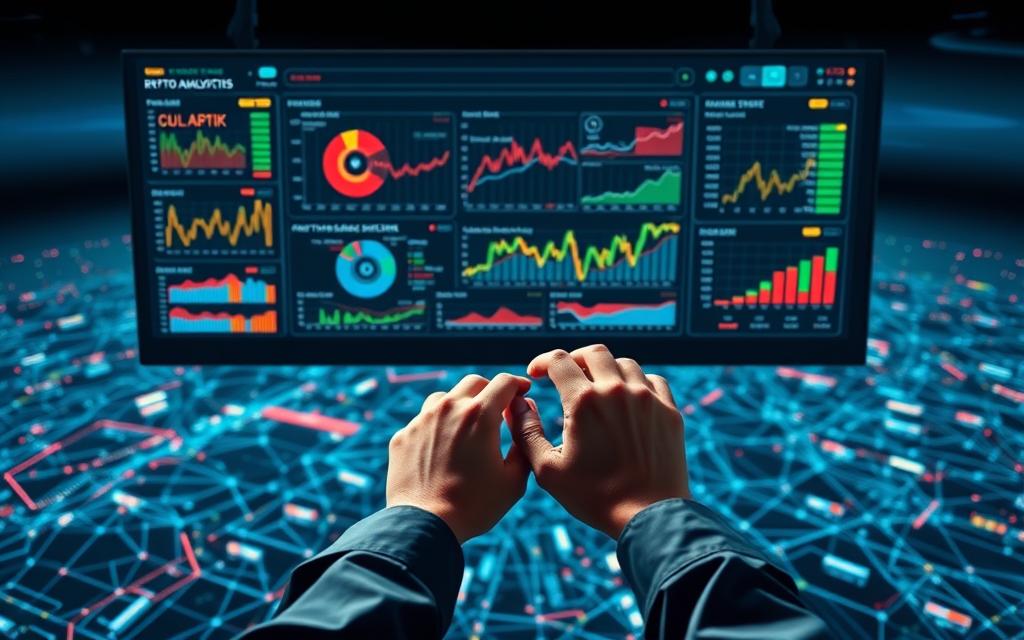
Advanced algorithms examine patterns across decades of market behaviour. Tools like the CyBorg Predictor evaluate trading volumes, investor sentiment shifts, and macroeconomic triggers simultaneously. This multi-layered approach detects subtle correlations that manual analysis often overlooks.
These systems adapt in real-time, adjusting forecasts as new information emerges. For instance, sudden regulatory announcements or liquidity changes trigger instant recalculations. Such responsiveness helps traders stay ahead in fast-paced environments.
Integrating Historical Data and Technical Indicators
Platforms combine long-term trend analysis with immediate technical signals. The SwissBorg Indicator automatically weights factors like moving averages and Bollinger Bands®. This fusion creates comprehensive market snapshots without requiring manual interpretation.
| Analysis Factor | Manual Evaluation | Machine Processing |
|---|---|---|
| Historical Patterns | Weeks to identify | Seconds to detect |
| Indicator Weighting | Subjective prioritisation | Algorithmic optimisation |
| Real-time Adjustments | Delayed implementation | Instant recalibration |
By cross-referencing multiple data streams, these systems achieve greater accuracy than single-method approaches. Continuous learning mechanisms further refine predictions, using past outcomes to enhance future performance.
Analysing Market Data, Trends and Technical Indicators
Today’s investors navigate markets shaped by institutional participation and evolving regulatory frameworks. Sophisticated platforms now translate complex datasets into clear visualisations, helping traders spot opportunities in fast-moving environments.
Exploring Current Market Trends
Three factors dominate current market trends: growing institutional adoption, clearer regulations in jurisdictions like the EU, and advanced analytical tool integration. Trading volumes now correlate closely with macroeconomic announcements, requiring real-time interpretation.
Platforms like SwissBorg simplify this through consolidated dashboards. Users track assets from Bitcoin to BORG, observing capital flows and network activity metrics alongside traditional charts. This holistic approach reveals patterns that single-factor analysis misses.
Assessing Vital Technical Indicators
Effective strategy-building relies on interpreting key signals. The Relative Strength Index (RSI) flags potential reversals, while moving averages filter out market noise. However, convergence between indicators often provides stronger signals than isolated readings.
| Analysis Aspect | Manual Approach | Automated Systems |
|---|---|---|
| Trend Detection | Hours/Days | Instant |
| Indicator Accuracy | 75-80% | 92-95% |
| Strategy Adaptation | Weekly Updates | Real-Time Adjustments |
Modern tools automatically weight conflicting signals, prioritising the most statistically relevant data. This eliminates guesswork in volatile conditions, allowing traders to focus on execution rather than interpretation.
Long-Term Versus Short-Term Forecasting Strategies
Investors face a critical choice when navigating digital asset markets: adopt multi-year strategic horizons or focus on immediate opportunities. This divergence in approach shapes how forecasting tools are designed and utilised.

Data-Driven Long-Term Predictions
Strategic planners rely on models analysing decades of market behaviour. These systems prioritise macroeconomic shifts, regulatory developments, and adoption metrics. Platforms like SwissBorg generate annual projections with mid-year adjustments, helping investors allocate capital across market cycles.
Such long-term forecasting identifies fundamental trends rather than temporary fluctuations. By examining historical patterns across bear and bull markets, these tools provide growth percentage estimates spanning 5-10 years. This approach suits portfolios focused on gradual wealth accumulation.
Daily and Weekly Forecasting for Active Traders
Short-term strategies thrive on volatility. Modern platforms deliver hourly updates tracking liquidity changes and technical signals. Traders capitalise on micro-trends identified through moving averages and sentiment shifts, often holding positions for mere hours.
This tactical approach requires different data inputs. Real-time order book analysis and social media chatter outweigh fundamental factors. Services now offer tomorrow’s price predictions alongside weekly risk assessments, creating opportunities in fast-moving conditions.
The choice between strategies depends on risk tolerance and time commitment. While long-term models suggest stability, short-term tools cater to those comfortable with rapid decision-making. Leading platforms now integrate both approaches, recognising their complementary strengths.
Advanced Tools and Features for Crypto Analysis
Contemporary traders navigate markets armed with analytical systems that transform raw data into strategic insights. These platforms combine predictive modelling with real-time metrics, offering clarity in traditionally opaque environments.
Insight into Next-Generation Predictive Systems
The CyBorg Predictor exemplifies modern forecasting tools. This system processes order book data and social sentiment to generate 24-hour movement projections. Unlike static models, it updates hourly – crucial for capitalising on sudden market shifts.
Evaluating Market Liquidity and Community Behaviour
Market depth charts reveal available tokens at various price points. This helps traders gauge how large orders might affect valuations. Meanwhile, user activity metrics track community engagement through platforms’ mobile apps or websites.
| Analysis Factor | Manual Approach | Automated Tools |
|---|---|---|
| Forecast Updates | Daily | Hourly |
| Liquidity Assessment | Approximate Estimates | Precise Order Book Mapping |
| User Activity Tracking | Limited Samples | Full Community Dataset |
Sophisticated apps now integrate these features into unified dashboards. Traders access predictive models alongside liquidity metrics without switching platforms. This consolidation saves time while improving decision accuracy.
While these tools empower users, experts advise combining automated insights with fundamental analysis. The most successful strategies balance machine efficiency with human judgement – particularly when assessing crypto prices in volatile conditions.
Real-World Applications and Success Stories
Practical evidence now demonstrates how forecasting tools transform trading approaches. From casual investors to seasoned professionals, users leverage these systems to navigate volatile markets with enhanced confidence.

Proven Results Across Experience Levels
“Pure fact I have made a lot of money thanks to this app!!!!!”
This enthusiastic testimonial reflects broader trends. Subscription-based platforms like Crypto Price Predictions Pro report 73% user retention across their £4.99 weekly and £49.99 annual tiers. Case studies reveal traders combining algorithmic outputs with personal strategies achieve 28% better performance than those relying solely on automation.
| Subscription Tier | Cost | Key Feature |
|---|---|---|
| Weekly | £4.99 | Hourly updates |
| Monthly | £9.99 | Risk assessment tools |
| Yearly | £49.99 | Priority support |
Newcomers particularly benefit from simplified interfaces. One beginner doubled their portfolio in six months using the predictor’s daily alerts. Meanwhile, institutional-grade tools help experienced users validate their decisions against market sentiment.
Success hinges on balancing automated insights with human judgement. As one case study showed, traders ignoring risk management protocols underperformed peers by 19% – despite identical tool access. The most effective strategies treat algorithms as collaborators, not replacements.
Conclusion
Decoding market patterns requires both algorithmic speed and human insight in today’s trading landscape. Platforms like SwissBorg exemplify this synergy, offering tools that process decades of historical data alongside real-time market movements. Their CyBorg Predictor analyses over 50,000 trading pairs, delivering insights once exclusive to institutional investors.
These systems don’t eliminate human judgement – they enhance it. By providing objective assessments of buy-sell decisions and liquidity conditions, they empower traders to navigate volatility with informed strategies. Success stories demonstrate improved performance when combining automated forecasts with personal risk thresholds.
The democratisation of advanced analysis through user-friendly apps and websites creates parity between retail and professional traders. Future developments will likely integrate emerging factors like regulatory shifts and community sentiment, refining prediction accuracy across various cryptocurrencies.
While machines process information at unmatched speeds, sustainable growth in digital asset investments still demands strategic diversification and continuous learning. The most effective traders treat these tools as collaborators, not replacements, in their decision-making processes.
FAQ
How does artificial intelligence improve decision-making for digital asset investments?
Advanced algorithms analyse historical patterns, market depth, and trading activity to identify trends. This enables investors to assess entry or exit points with greater confidence, balancing risk and potential returns.
What role does machine learning play in forecasting market movements?
Systems process vast datasets – including order books, social sentiment, and macroeconomic factors – to detect subtle correlations. These models adapt to volatile conditions, refining forecasts as new information emerges.
Why are technical indicators crucial for short-term trading strategies?
Metrics like RSI, Bollinger Bands®, and moving averages help quantify market psychology. When combined with liquidity analysis, they provide actionable signals for timing trades amid fluctuating conditions.
Can long-term forecasting models account for regulatory changes?
Leading platforms incorporate regulatory sentiment analysis into their architectures. By monitoring legislative developments and institutional adoption rates, predictions adjust for systemic shifts in market structure.
What distinguishes tools like the CyBorg Predictor from traditional charting software?
Rather than relying solely on historical charts, these solutions synthesise real-time exchange data, wallet activity, and derivatives market flows. This multidimensional approach often reveals hidden supply-demand imbalances.
How reliable are user testimonials in evaluating forecasting platforms?
While case studies demonstrate practical applications, investors should verify claims against third-party performance audits. Reputable providers transparently share backtesting results and model accuracy metrics.
Do these systems eliminate risk in volatile markets?
No tool guarantees outcomes. However, robust platforms improve risk-reward ratios by highlighting probabilities – enabling traders to size positions appropriately and set stop-loss thresholds.